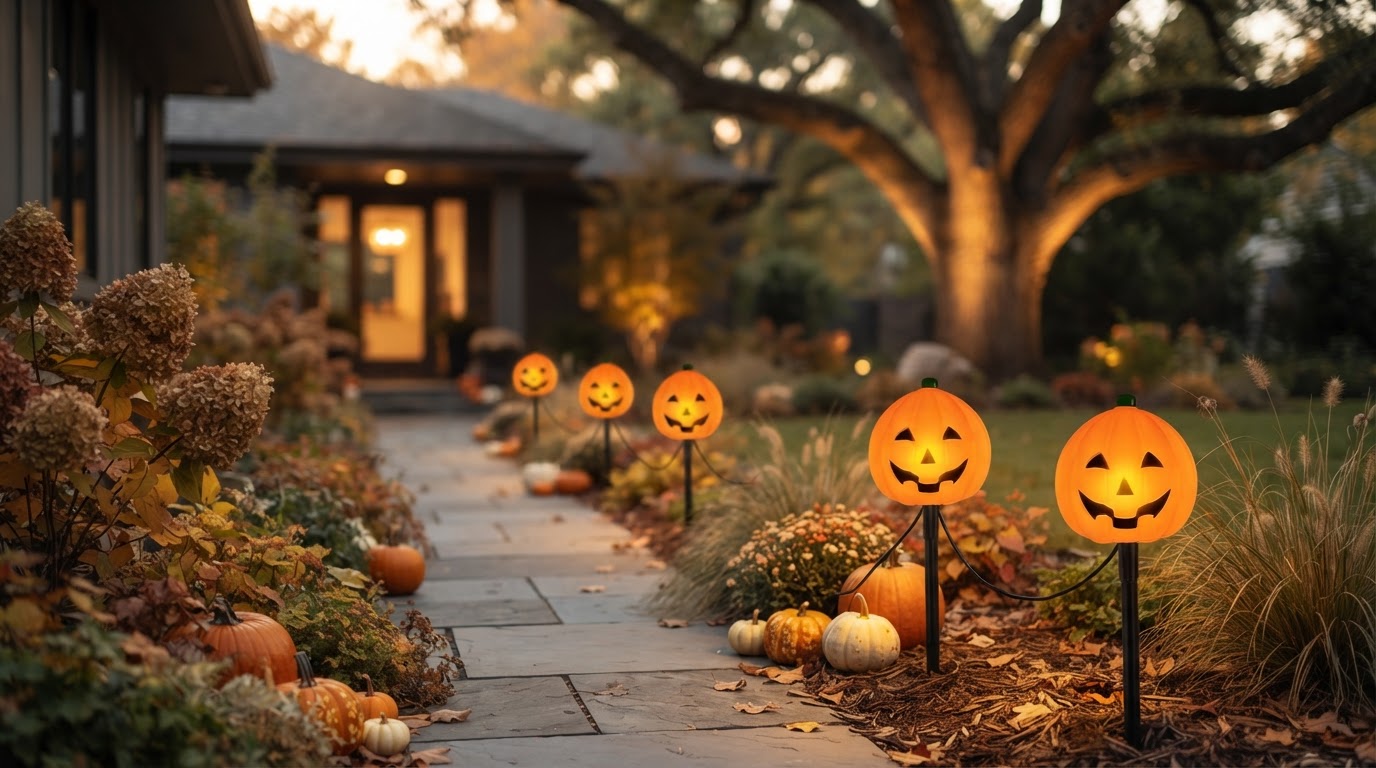
Optimizing Autumn Landscapes with solar Pumpkin Stake
 Maya ChenContributing Editor
October 1, 2026. This assessment evaluates the functional integration of solar Pumpkin Stake units within modern residential landscapes. It provides technical guidance for consumers prioritizing energy autonomy and seasonal aesthetics in their outdoor lighting strategy.
The Efficiency Gap in Seasonal Lighting
The conventional wisdom says that seasonal garden lighting is inherently ephemeral and low-performance, often dismissed as a disposable addition to the yard. However, this perspective ignores the significant energy waste associated with traditional plug-in decorations and the technical shortcomings of low-grade hardware. According to The Flag Lady, a standard Solar Powered Glass Pumpkin Garden Stake measures over 22 inches tall, which is necessary to clear the shadow lines created by late-season perennial growth. Many consumers overlook the physics of solar placement in October, when the sun's angle is lower and daylight hours are compressed. Here's the part nobody talks about: a solar stake that lacks a high-conversion monocrystalline panel will fail to reach full charge in northern latitudes during the peak Halloween season. The market is saturated with decorative units that prioritize visual appeal over the photovoltaic capacity required to sustain illumination through a standard eight-hour night. When integrating outdoor solar pumpkin decor, the primary failure point is not the LED itself, but the mismatch between the battery capacity and the available solar irradiance in autumn months. Relying on generic hardware often leads to a "dim-out" effect by 9:00 PM, precisely when the lighting is intended to be most effective for visibility and safety.Integration of solar Pumpkin Stake Technology
The solar Pumpkin Stake addresses these mechanical shortfalls by focusing on the structural integrity and energy retention necessary for outdoor environments. Unlike DIY approaches seen on social media—where creators like those on Instagram suggest sticking a standard solar light through a hollow plastic pumpkin—the solar Pumpkin Stake is engineered as a unified system. This prevents moisture ingress, a common cause of short-circuiting in improvised orange pumpkin yard stakes. The unit utilizes a weather-resistant housing designed to withstand the thermal expansion and contraction cycles typical of October nights. Run the math: a standard AA Ni-MH battery in these units requires approximately 6 to 8 hours of direct sunlight to power a high-output LED. The solar Pumpkin Stake maximizes this limited window through an optimized tilt-angle on the panel, ensuring that even as the sun moves lower in the sky, the energy capture remains consistent. This reliability is critical when deploying solar pumpkin stakes in high-traffic areas like walkways or driveways where consistent illumination is a safety requirement rather than just an aesthetic choice. Furthermore, the inclusion of multiple lighting modes, as seen in commercial-grade 6-packs at Michaels, allows for customization of power consumption; steady-on modes draw more current, while flashing or fading modes can extend the battery life during periods of overcast weather. By selecting outdoor solar pumpkin decor that features automated dusk-to-dawn sensors, users eliminate the manual overhead of traditional lighting while ensuring the hardware only operates when the ambient light drops below 10 lux.
Technical Decision Framework for Autumn Deployment
Selecting the correct hardware for a fall landscape requires a departure from purely decorative thinking toward a performance-based criteria. The durability of the stake itself is often the most overlooked component. While many orange pumpkin yard stakes utilize thin plastic or low-gauge aluminum that bends in frost-hardened soil, the solar Pumpkin Stake utilizes reinforced materials to maintain vertical alignment throughout the season. Before finalizing a purchase or installation plan, evaluate the following technical requirements:- Total Height: Ensure the stake exceeds 20 inches to prevent light blockage from fallen leaves or ground cover.
- Battery Specification: Verify the use of replaceable Ni-MH or Li-ion cells to ensure the unit can be serviced rather than discarded after one season.
- Ingress Protection (IP) Rating: Look for a minimum of IP44 to ensure the electronics are protected against rain and splashing water.
- Lumens vs. Runtime: Balance the brightness of the LED with the desired duration of light, noting that higher lumen outputs will deplete the battery faster on short winter days.
- Solar Panel Type: Prioritize units with integrated sensors that automatically manage the power cycle based on environmental light levels.
To upgrade your seasonal landscape with professional-grade lighting, Shop solar Pumpkin Stake here.
Sources
Photo by Jorge Luis Acasiete Conza on Pexels
- Solar Powered Glass Pumpkin Garden Stake - The Flag Lady
- DIY Pumpkin Solar Lights If I said I wasn't obsessed with ... - Instagram
- 6 Pack Solar Jack O Lantern Pathway Lights Halloween Pumpkin Stake ...