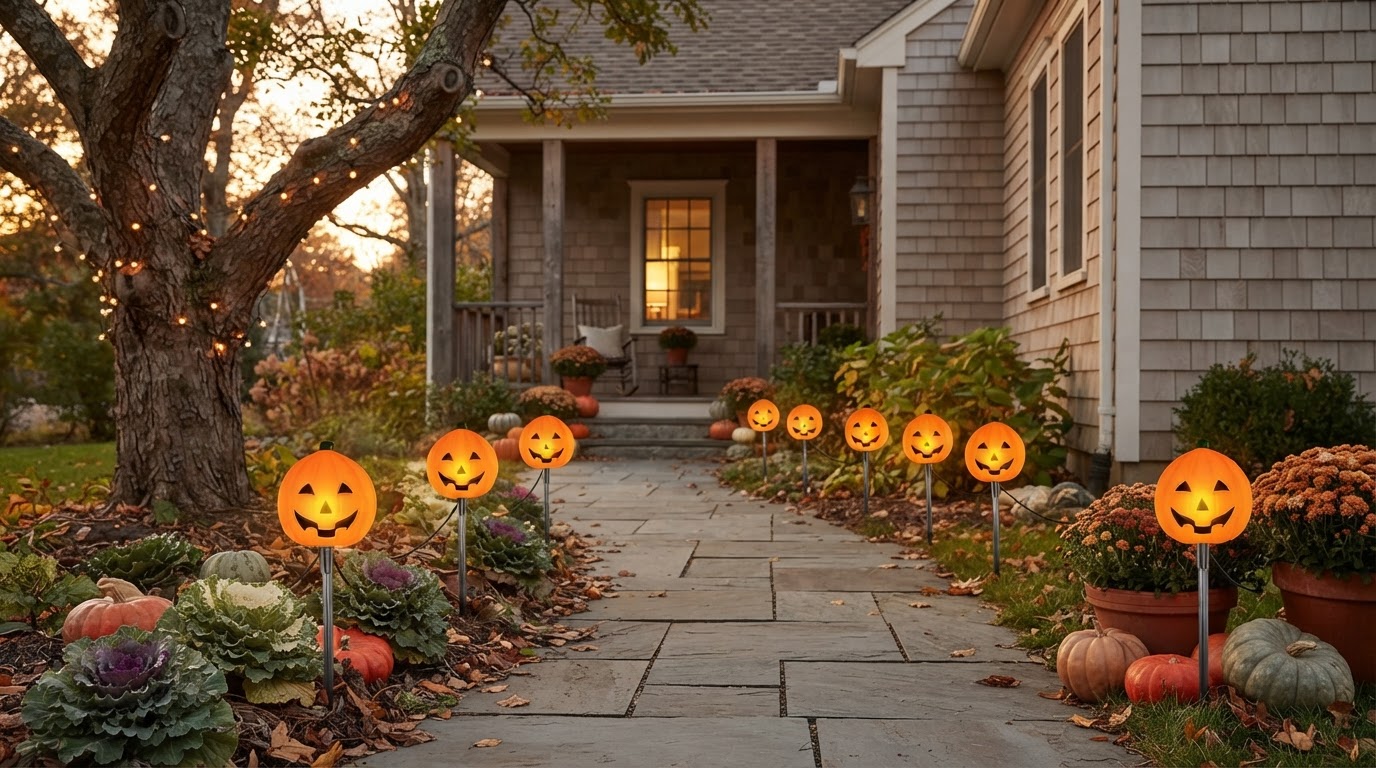
Enhancing Fall Pathway Visibility with solar Pumpkin Stake
 Maya ChenContributing Editor
October 21, 2026. This analysis examines the technical integration of solar-powered illumination along residential walkways during the autumn season. It is written for homeowners seeking to balance seasonal aesthetics with functional safety requirements.
The Limitations of Seasonal Ambient Lighting
The conventional wisdom says that fall pathway lighting is primarily a decorative endeavor, where low-lumen output is acceptable for the sake of 'ambiance.' However, as daylight hours compress, the functional requirement for visibility significantly outweighs the aesthetic benefit of a dim glow. Most consumers rely on generic seasonal stakes that offer less than 5 lumens, which fails to provide adequate contrast for safe navigation on uneven surfaces. According to Sunco, high-quality outdoor pathway lighting should prioritize efficient energy storage to ensure consistent performance through the night. The reality is that many 'fairy light' solutions or hand-painted glass globes found on platforms like Etsy lack the photovoltaic surface area to remain operational past 10:00 PM during the shorter days of October. Here's the part nobody talks about: the angle of the sun in late autumn decreases the charging efficiency of horizontally mounted panels by up to 30%, making many standard garden lights virtually useless by the time trick-or-treaters arrive. If a light cannot maintain a minimum of 6 hours of runtime after a standard overcast autumn day, it is a decorative failure, not a lighting solution.
Technical Advantages of solar Pumpkin Stake
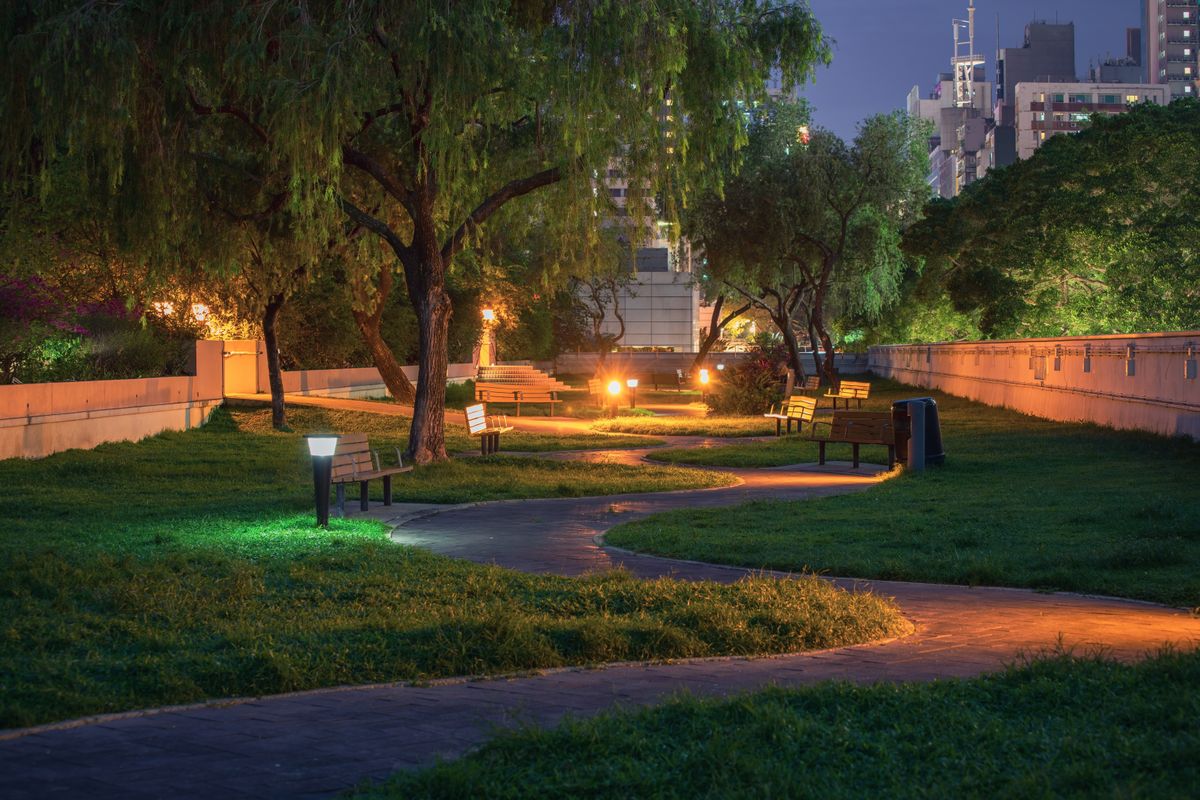
Photo by Gorma Kuma on Pexels
The solar Pumpkin Stake addresses these seasonal deficits by utilizing a vertically integrated design that captures ambient light more effectively than recessed ground lights. While standard [solar fall garden stakes](/blog/solar-fall-garden-stakes) often prioritize the stake's height over the panel's orientation, the solar Pumpkin Stake is engineered to maximize exposure even in partially shaded garden beds. Run the math: a typical pathway requires a light every three to five feet to prevent dark spots. Because these units utilize high-efficiency LEDs housed within a translucent orange chassis, they provide a diffused 360-degree lateral throw that covers more ground than a directed spotlight. This makes them more effective than standard [orange pumpkin yard stakes](/blog/orange-pumpkin-yard-stakes) which may use opaque materials that stifle light distribution. Furthermore, the integration of weather-resistant housing ensures that the internal circuitry remains dry during the frost cycles typical of late October. When compared to the DIY methods seen on YouTube where creators modify mason jars for [light up pumpkin garden decor](/blog/light-up-pumpkin-garden-decor), the solar Pumpkin Stake offers a sealed, standardized battery compartment that prevents the rapid oxidation of contact points. This reliability is critical for maintaining a cohesive look throughout the entire fall season without the maintenance overhead of manual battery replacements.
Strategic Deployment and Selection Framework
Selecting a pathway light for the fall requires more than just picking a festive shape; it requires an assessment of the light's duty cycle and its ability to withstand autumn debris like fallen leaves and moisture. A successful installation of light up pumpkin garden decor must account for the physical height of the stake relative to the surrounding foliage. If the pumpkin sits too low, it will be obscured by leaf litter, rendering the solar panel ineffective. As noted in product testing by Chris Loves Julia, the best solar path lights are those that offer a quick and easy solution without sacrificing the quality of the glow. When evaluating your pathway needs, prioritize units that offer a warm color temperature (approx. 2700K to 3000K) to complement the natural orange and red tones of autumn landscaping. I'll change my mind when a non-solar, battery-operated alternative can demonstrate a lower total cost of ownership over a three-month period without requiring weekly intervention. Until then, the solar Pumpkin Stake remains the most efficient way to achieve consistent orange pumpkin yard stakes placement without the clutter of extension cords.
- Panel Placement: Ensure the photovoltaic cell is not obstructed by overhanging eaves or late-season tall grass.
- Spacing Intervals: Place stakes no more than 48 inches apart to maintain a continuous visual line for guests.
- Ground Preparation: Use a pilot hole if the ground is hardened by early frost to avoid damaging the stake's structural integrity.
- Cleaning Protocol: Wipe the solar collectors weekly to remove dust and pollen that can degrade charging efficiency by 10-15%.
- Storage Strategy: Plan for a dry storage location once the ground begins to freeze solid to preserve the battery life for the following year.
Sources
Photo by ROMAN ODINTSOV on Pexels
- Outdoor Pathway Lighting – Sunco
- The Best Solar Path Lights of 2026: Tested To Find the Perfect Glow
- Fall Solar Lights - Etsy