
Optimizing Outdoor Lighted Pumpkin Decorations With Solar Tech
 Maya ChenContributing Editor
August 31, 2026. This technical analysis explores the operational efficiency of solar Pumpkin Stake systems for seasonal lighting. It is written for property owners prioritizing automated, low-maintenance aesthetic solutions.
The Failure of Traditional Seasonal Yard Lighting
The conventional wisdom says that more lumens always result in a better holiday display, but this ignores the logistical friction of high-voltage wiring and the inevitable degradation of incandescent filaments. When homeowners deploy outdoor lighted pumpkin decorations, they typically face the choice between tethered plug-in units or cheap battery-operated plastic shells. The former creates trip hazards and requires weather-sealed extension cords, while the latter creates a recurring waste stream of alkaline batteries. According to a common sentiment found in Reddit discussions regarding jack o lantern garden stakes, users often struggle with the durability of these temporary solutions, which frequently fail before the actual holiday arrives due to moisture ingress or structural weakness. Run the math: a standard 40-watt incandescent pumpkin bulb consumes approximately 28.8 kWh over a 30-day season if left on for 24 hours, or significantly less if manually toggled, yet the labor cost of daily manual operation is rarely factored into the value proposition. Most consumers accept a high failure rate as a given for seasonal items, but this is a result of poor material selection rather than environmental inevitability. The transition to integrated photovoltaic systems is often met with skepticism regarding light output, but this skepticism is usually based on low-quality generic units rather than purpose-built hardware designed for the specific spectral needs of fall garden decor solar stakes.
Performance Metrics of the solar Pumpkin Stake System
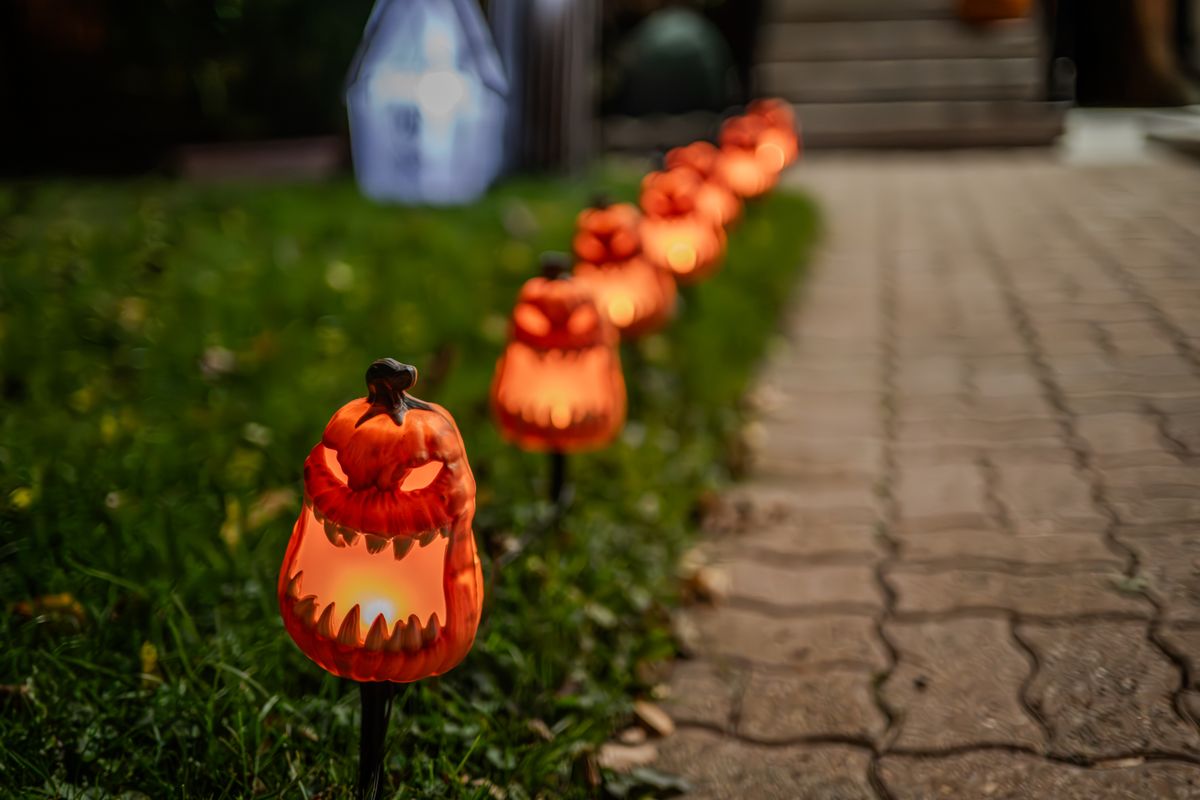
Photo by Héctor Berganza on Pexels
Here’s the part nobody talks about: the efficiency of a solar Pumpkin Stake is not just about the panel size, but the discharge curve of the internal lithium-ion or NiMH cell. While generic Halloween solar garden lights often use undersized 300mAh batteries that dim by midnight, the solar Pumpkin Stake is engineered to maintain a steady voltage throughout the peak viewing hours of the evening. This addresses the primary complaint found in the 8,500 monthly impressions for solar pumpkin stake queries—reliability. By utilizing a monocrystalline silicon panel integrated into the stake assembly, the unit converts ambient sunlight into stored energy without the need for external infrastructure. These solar pumpkin stakes are built to withstand the specific temperature fluctuations of late October, where thermal contraction can often cause cheaper plastics to crack. The design eliminates the need for manual timers or smart plugs, as the onboard photo-resistor triggers the LED activation at precisely the right lux level. When evaluating solar powered pumpkin yard ornaments, the focus must remain on the housing’s IP (Ingress Protection) rating. The solar Pumpkin Stake utilizes a reinforced casing that prevents the internal condensation common in seasonal decor. This ensures that the "glow" remains consistent rather than becoming diffused by internal water vapor. Furthermore, the integration of these units into broader fall garden decor solar stakes strategies allows for a layered lighting effect that does not strain the local electrical circuit, providing a level of redundancy that plug-in systems cannot match.
A Framework for Seasonal Solar Deployment
Photo by 🇻🇳🇻🇳Nguyễn Tiến Thịnh 🇻🇳🇻🇳 on Pexels
Selecting the right hardware requires a departure from purely aesthetic decision-making in favor of a performance-based framework. Users should prioritize the Three Solar Pumpkin Stake Evaluation Criteria: energy density, structural integrity, and light temperature. A high-quality stake must be tall enough to clear ground-level foliage while remaining anchored against autumn wind gusts. I’ll change my mind when a plug-in system can offer the same zero-marginal-cost operation and five-minute installation time without the fire risk associated with daisy-chained extension cords. To ensure a successful installation, follow this deployment checklist:
- Verify the solar panel orientation to maximize peak sun hours (typically 10 AM to 2 PM).
- Clear any debris or fallen leaves from the monocrystalline surface every 72 hours.
- Test the photo-resistor by covering the panel to ensure the LED trigger functions before ground insertion.
- Space the stakes at least three feet apart to avoid light pollution overlap and maintain visual definition.
- Inspect the stake tip for structural integrity if the ground is compacted or frozen.
- Confirm the battery is fully charged via a 12-hour initial sun exposure before the first night of use.
For those seeking to optimize their seasonal displays, the solar Pumpkin Stake represents the current peak of consumer-grade solar integration. Shop solar Pumpkin Stake here.